
SLRC NEWSLETTER
December 2025
Welcome to the December issue of the SLRC Newsletter.
Regatta Season is over. We’ve got results from our last three head races of the season. Winter training is here!
See photos from our Arch Oars workshops – both were a huge success. We’ve also got an article about breathing while you’re rowing. Hint – for something you aren’t likely thinking about, it can be a difference maker.
Happy Holidays from SLRC, and see you in the New Year!

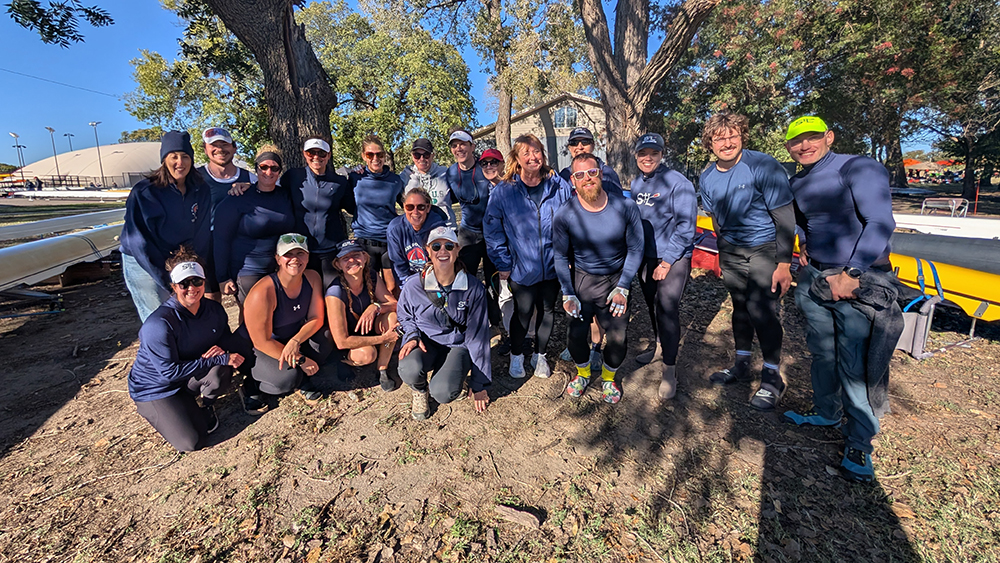
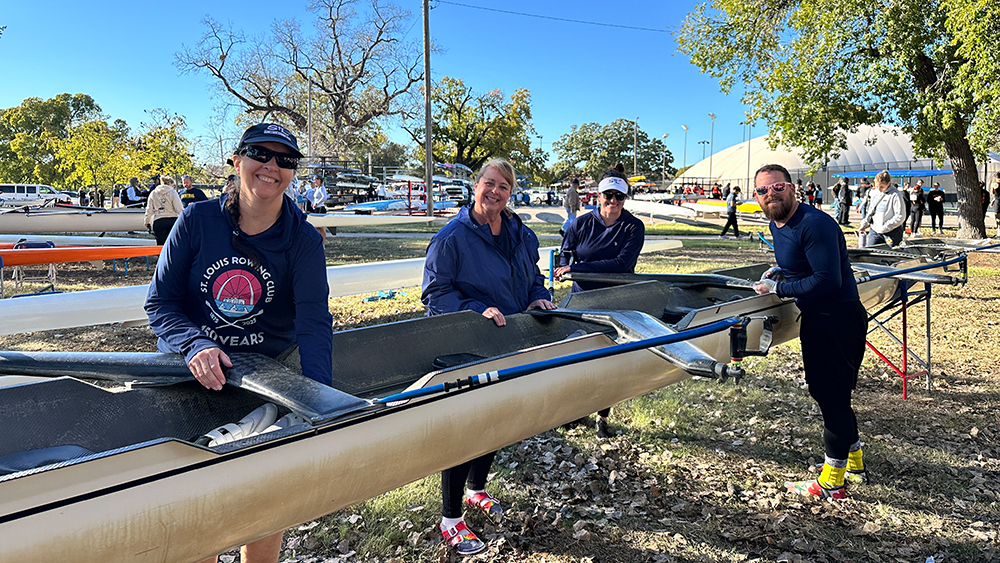
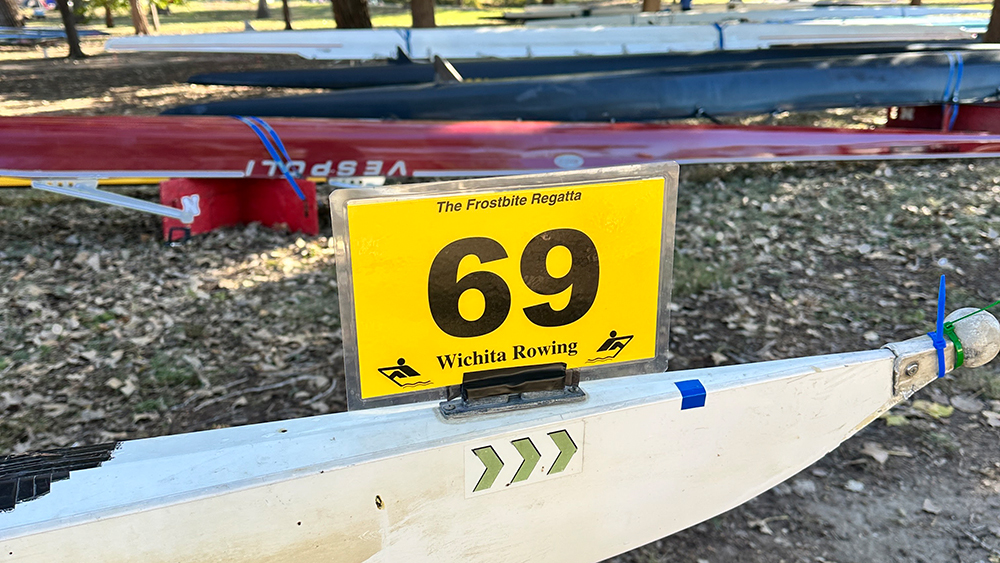
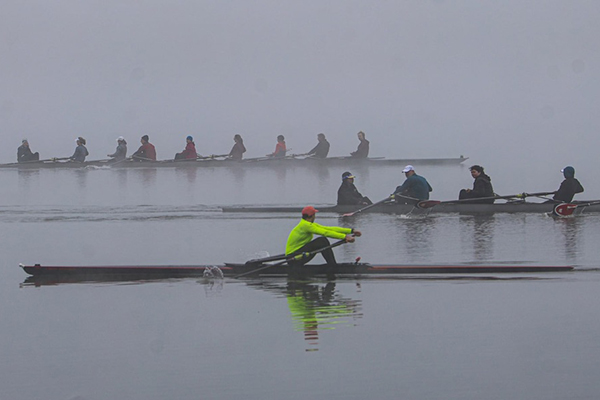
Frostbite Regatta. November 2025.

Board Announcements
We are pleased to announce that Krista Moramarco has been appointed as the new SLRC Assistant Treasurer.
Krista currently rows in the Intermediate program and brings extensive accounting and budgeting experience to the assistant treasurer role—expertise that will be a tremendous asset to our Club.
In her new position, Krista will serve on the Finance Committee, where her responsibilities will include managing accounts receivable for membership dues, lessons, fees, special events, and fundraising. She will also take on the regatta cost coordinator duties previously handled by Deb Small.
Krista will join Carolyn Buselmeier, Jason Bryan, Deb Small, and David Woodburn on the Finance Committee.
We would also like to extend a huge thank you to Deb for her outstanding work over the past several years. Her dedication has ensured accurate regatta cost accounting and timely invoicing, and we are deeply grateful for her contributions.
Please join us in welcoming Krista to her new role! 

Cold Weather Reminder
As the weather becomes colder, it is important to remember the dangers of hypothermia. Hypothermia is the loss of heat from one’s internal body temperature faster than it is being produced and is an extremely dangerous condition if left untreated. Here are some quick safety tips to prevent hypothermia and other winter weather related ailments:
Prevention
- Wearing layers covering all major skin exposures. Two to three layers of clothing is recommended.
- Staying dry. Wet clothing accelerates body temperature fluctuations in cold weather.
Recognizing Signs
- Early signs of hypothermia: Shivering, cold extremities, pale skin, sleepiness, confusion, slurred speech, poor coordination
- Severe hypothermia signs: Shivering stops, no reflexes, irregular heartbeat, loss of consciousness
If you believe yourself or someone else to be affected by hypothermia, alert your coach immediately.
First Aid
- Perform CPR, if required, and call 911 in severe cases
- Exercise gentle handling of affected individual. Rough handling can induce cardiac arrest.
- Gentle rewarming of individual. Includes warm (not scalding, check water with unaffected extremities to prevent burns to affected personnel) showers, dry clothing, and use of blankets.
- Keep the individual in a horizontal, flat position until recovered.

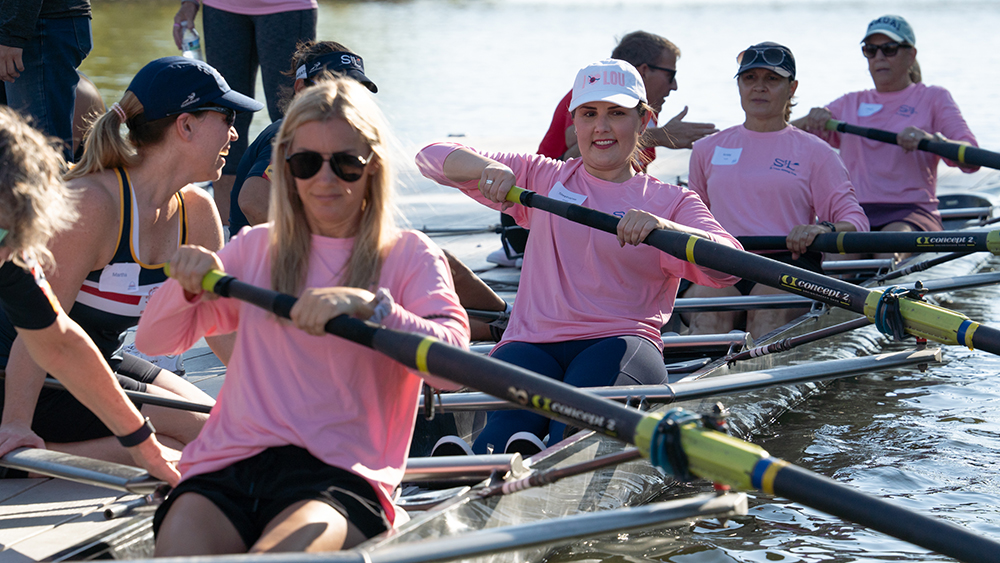
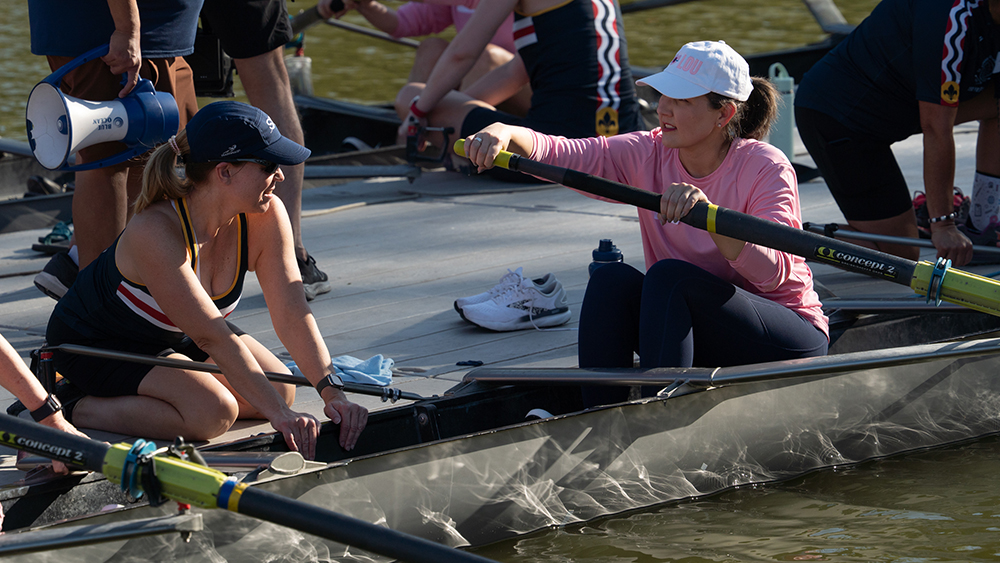
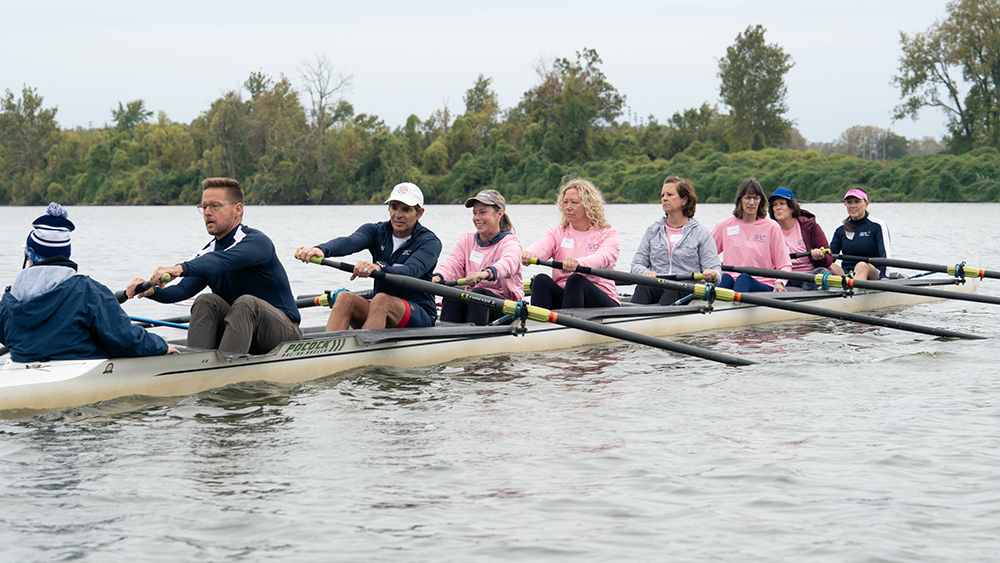
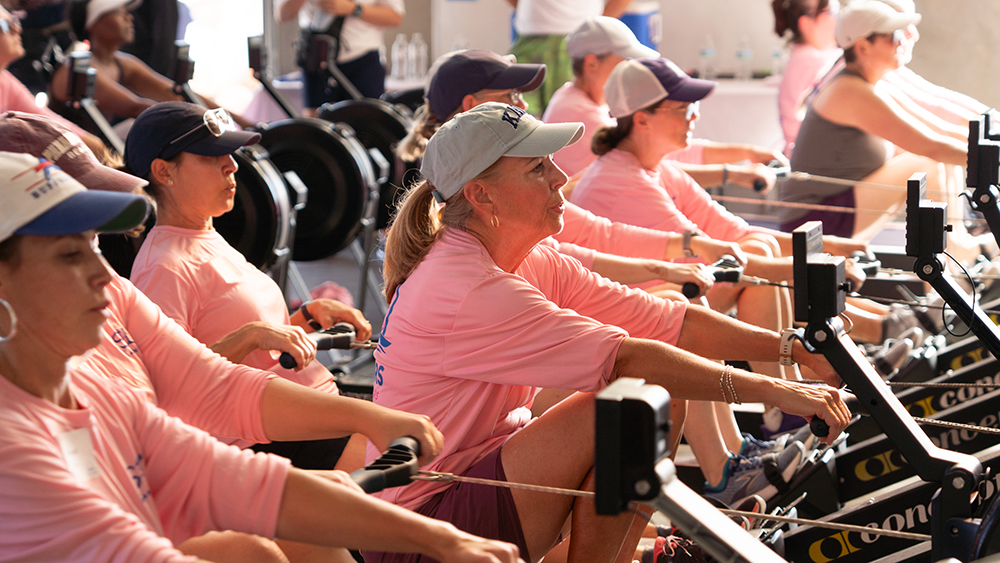
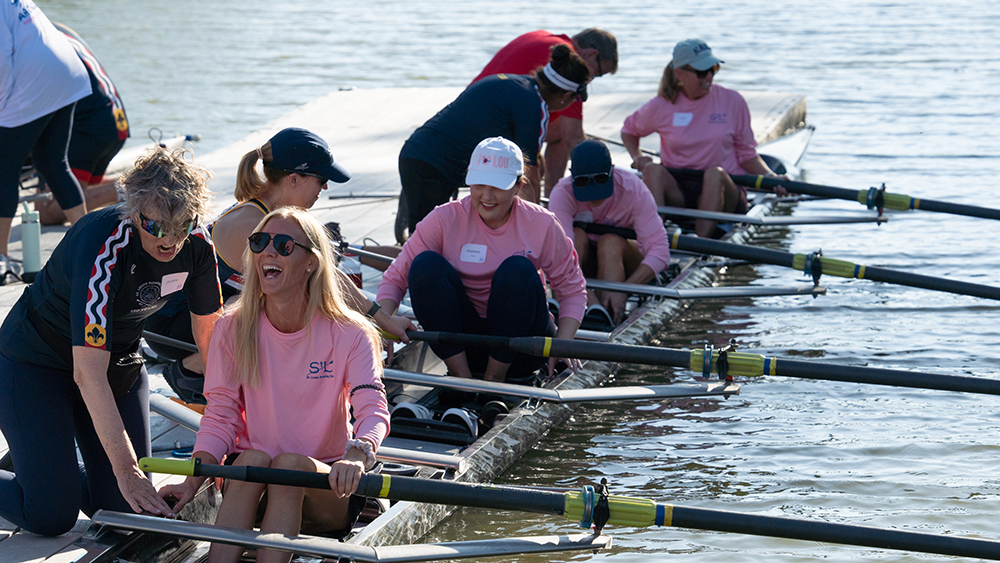
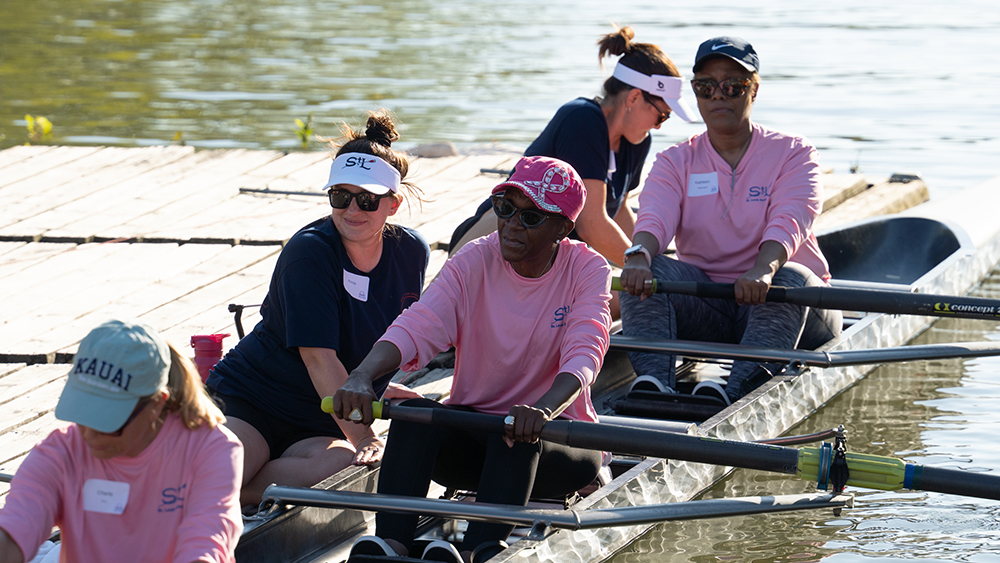
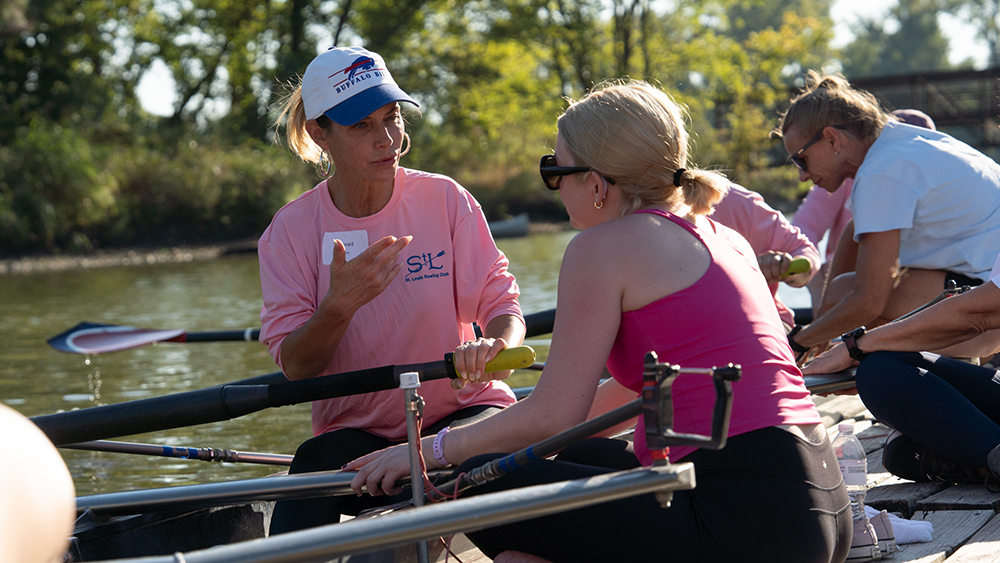
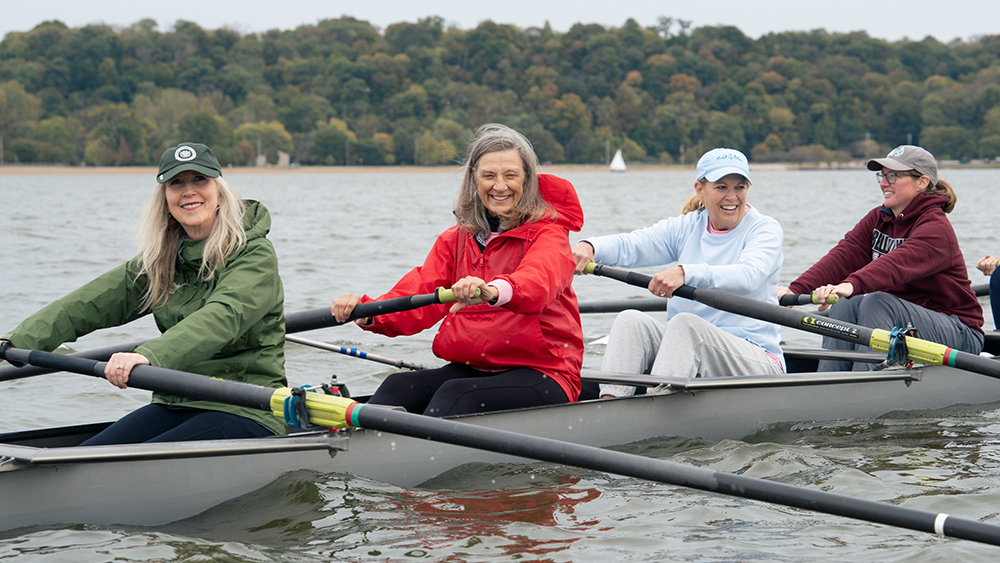
SLRC + ARCH OARS
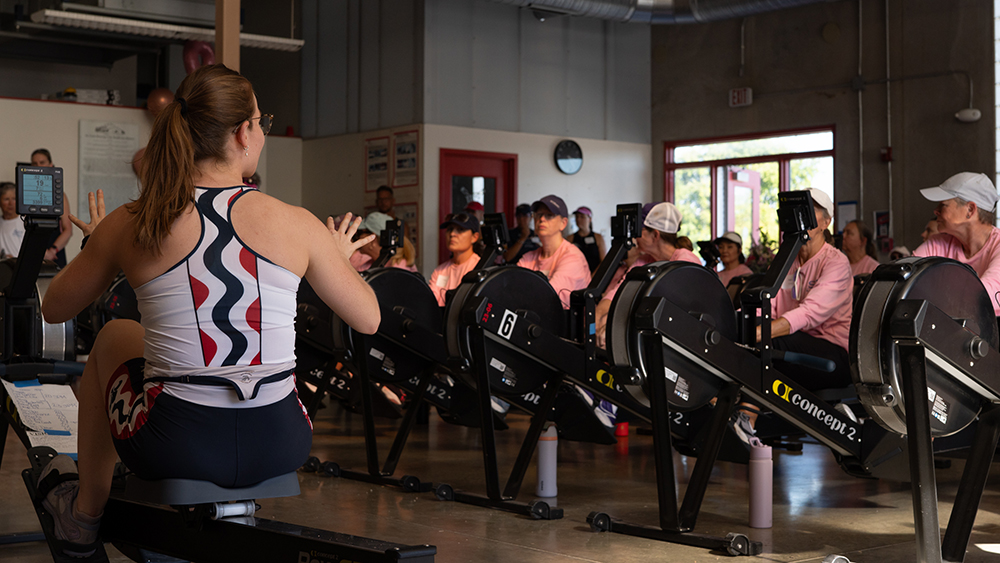
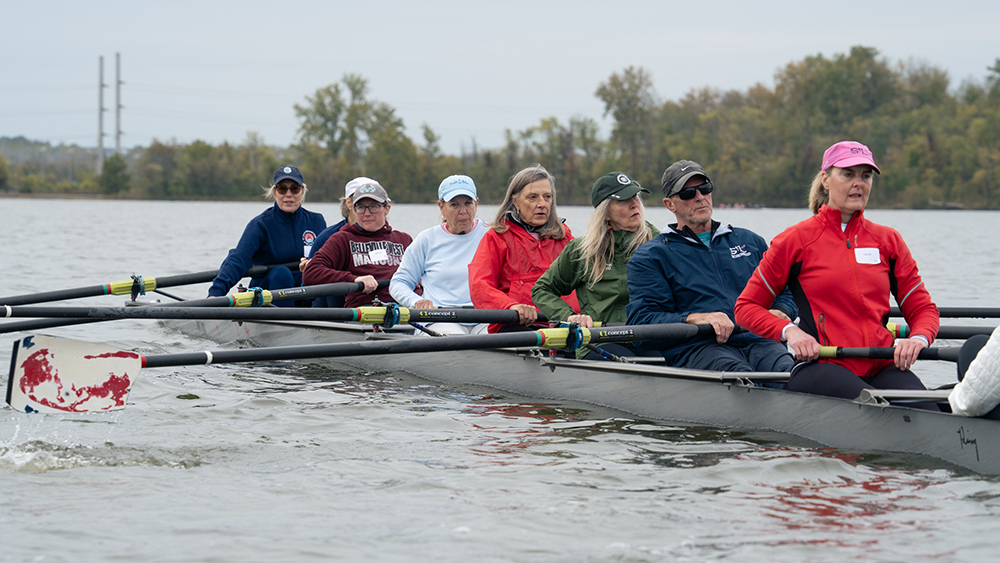
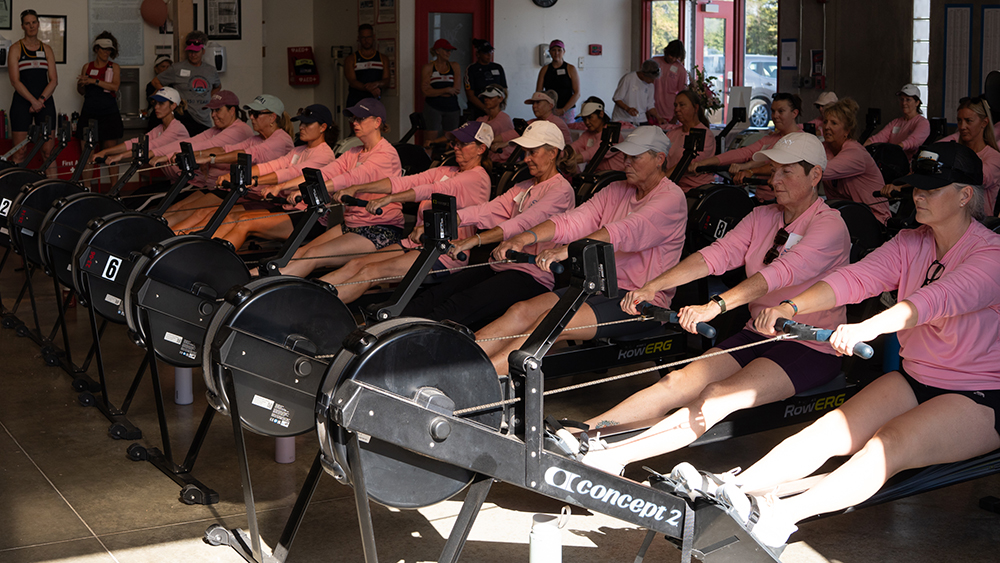
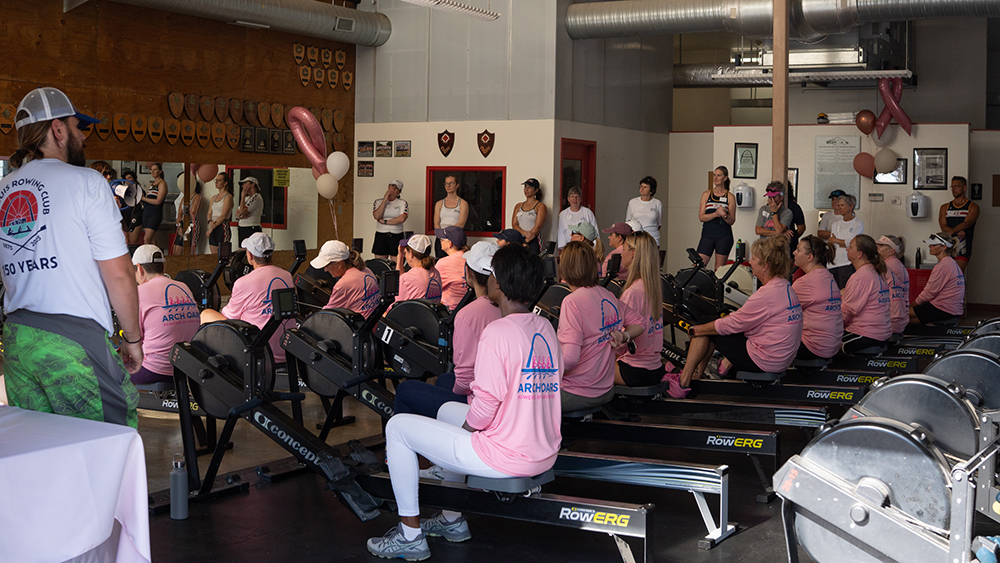
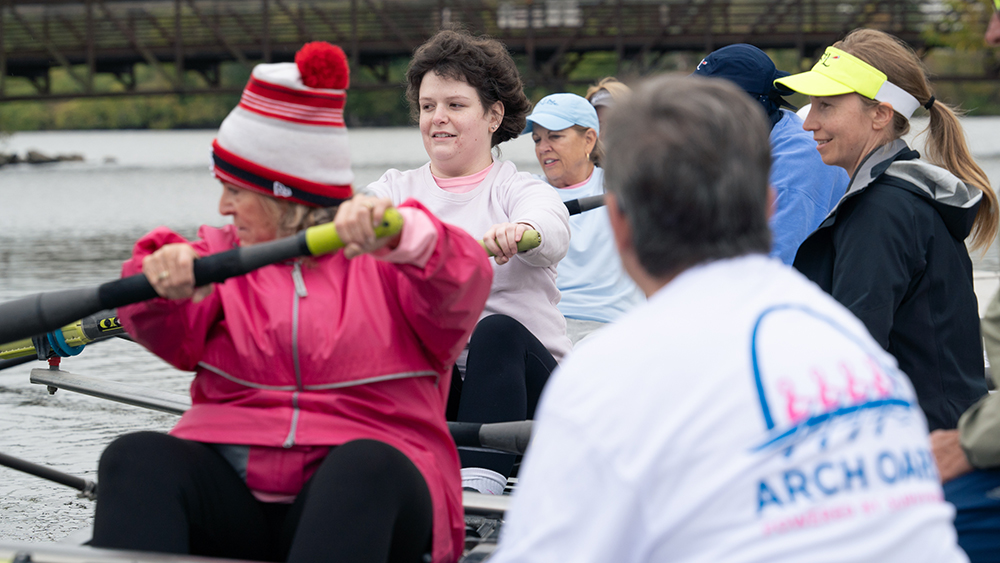
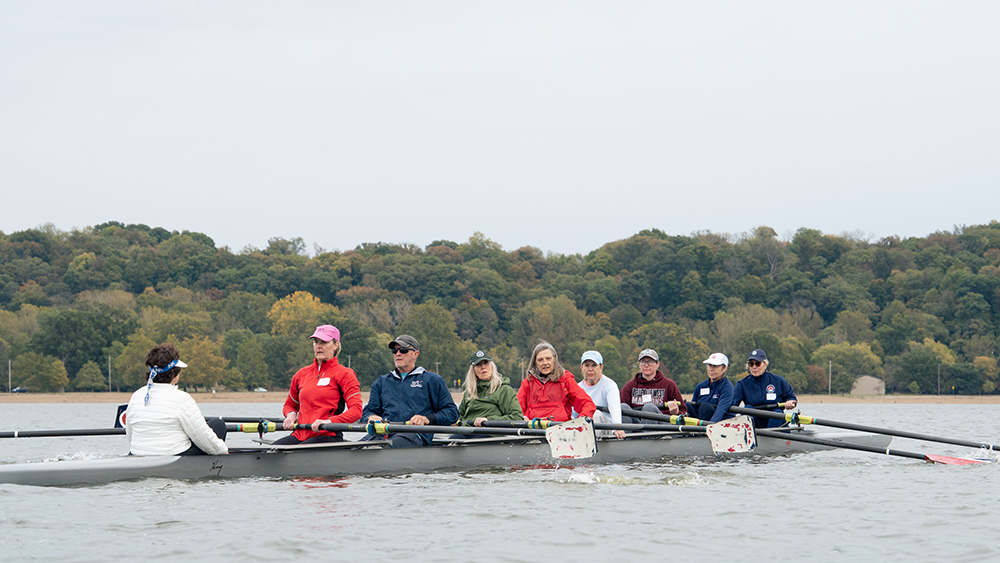
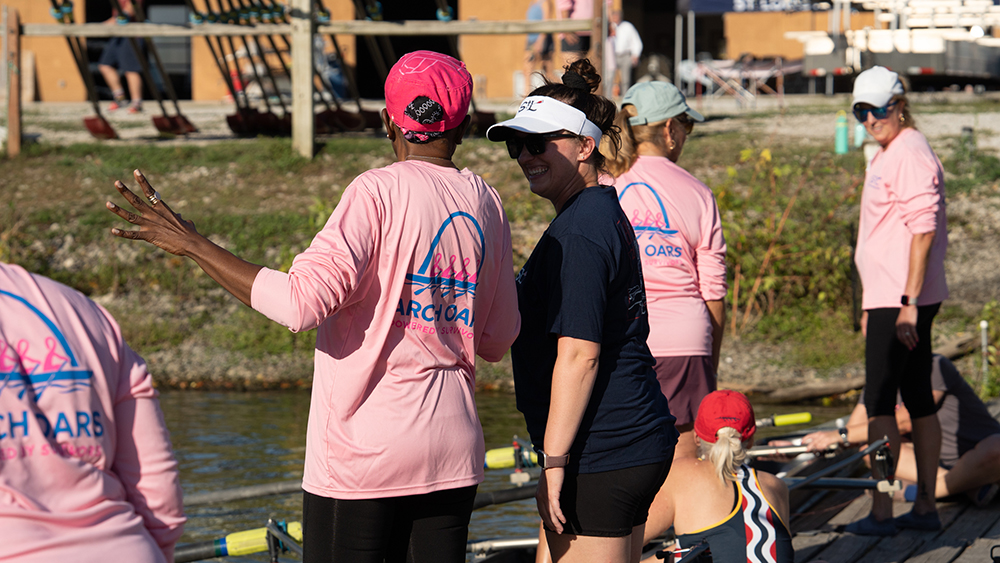
Our rowing workshops were a resounding success!
The turnout for our two workshops was beyond expectations, and both were hugely successful. A special thank you to all volunteers, and we look forward to offering more in the future.
Here are some images from both workshops:


Upcoming Events
Don’t forget to check the calendar for upcoming events. We’ll keep this up-to-date with all things SLRC, and remember, you can use the subscribe button on the calendar page to sync the SLRC calendar to your favorite app!

Regatta Results
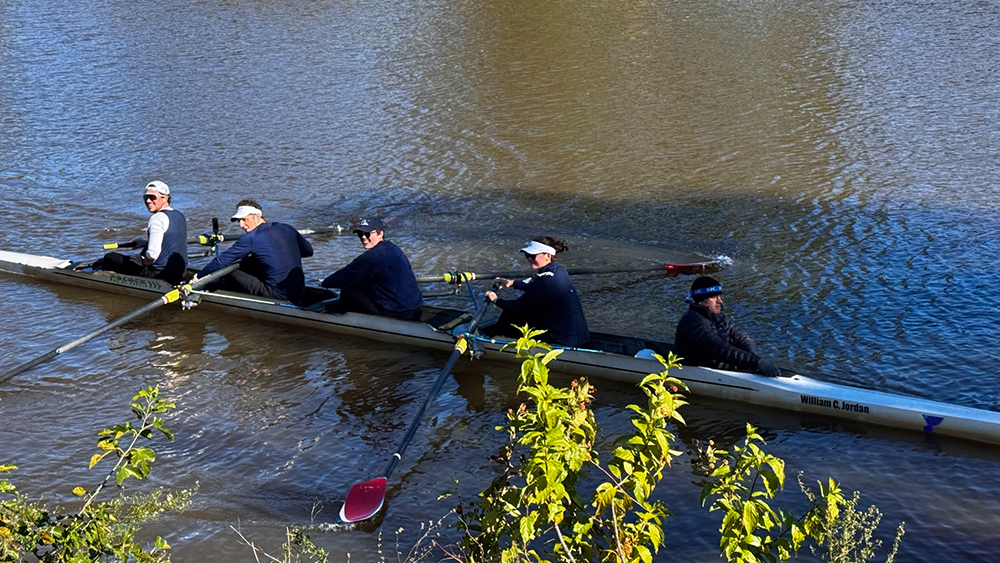
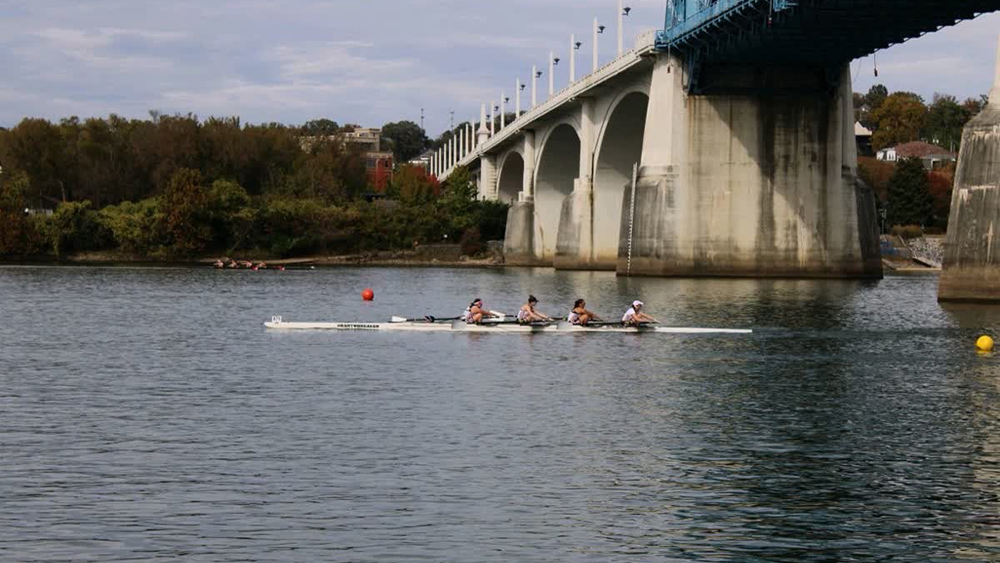
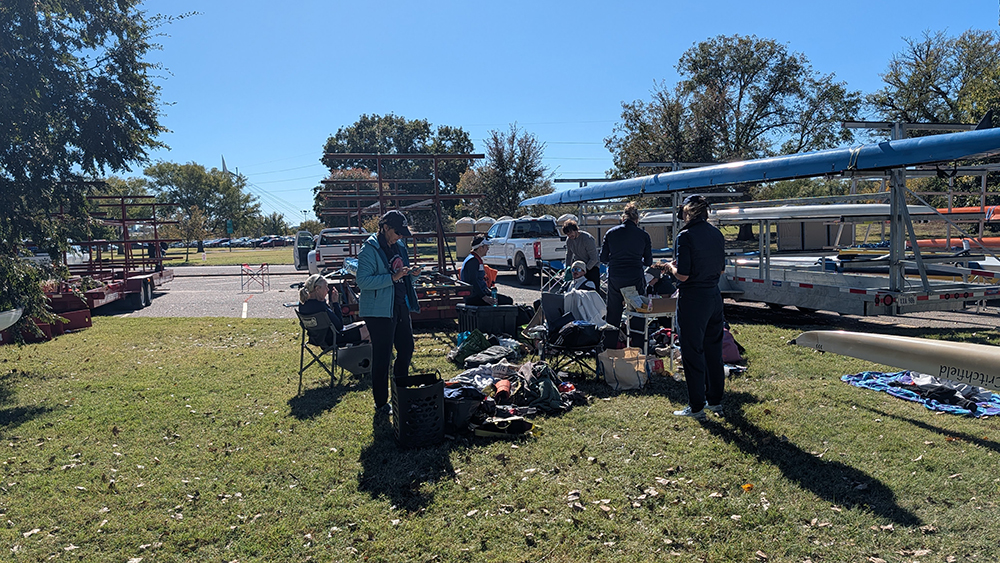
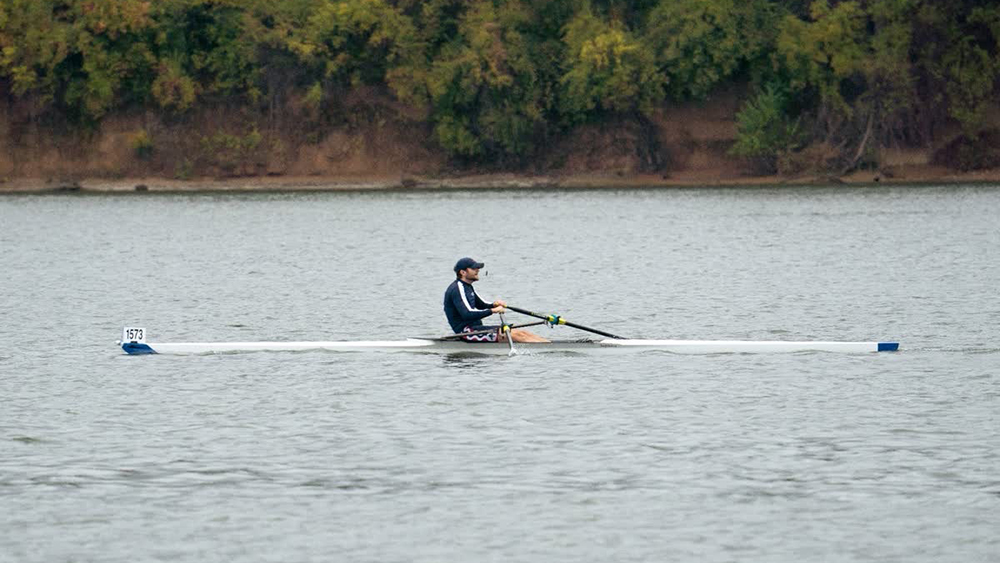
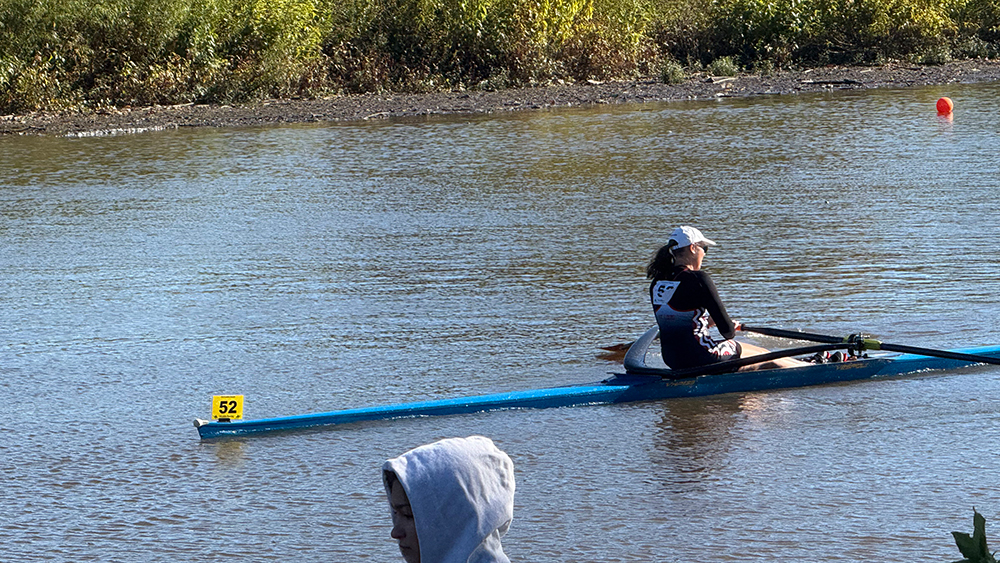
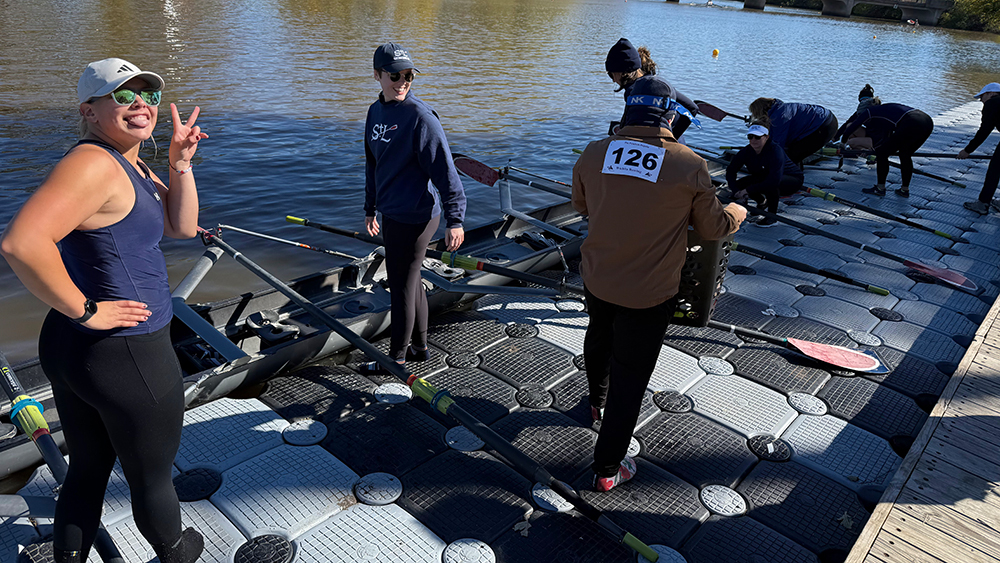
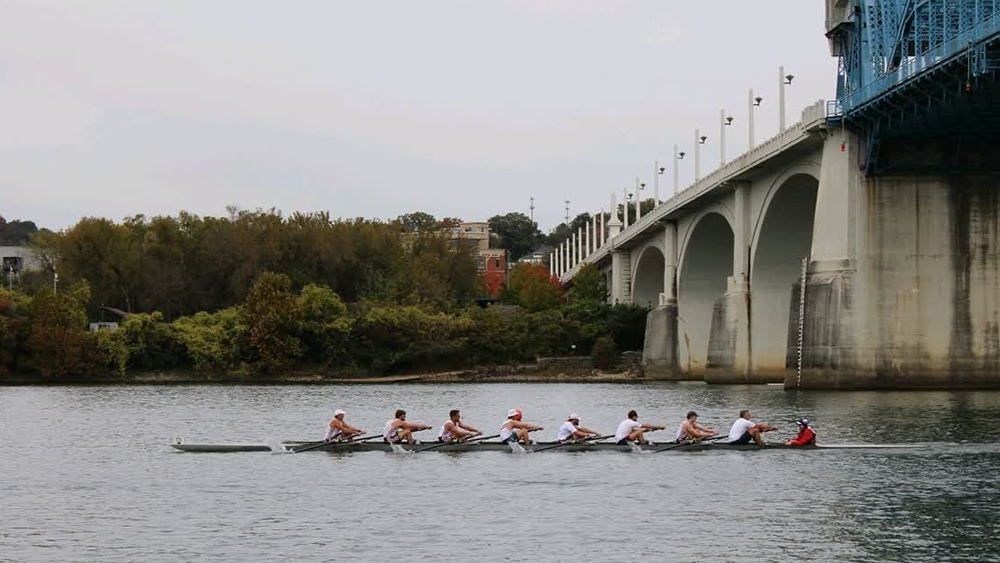
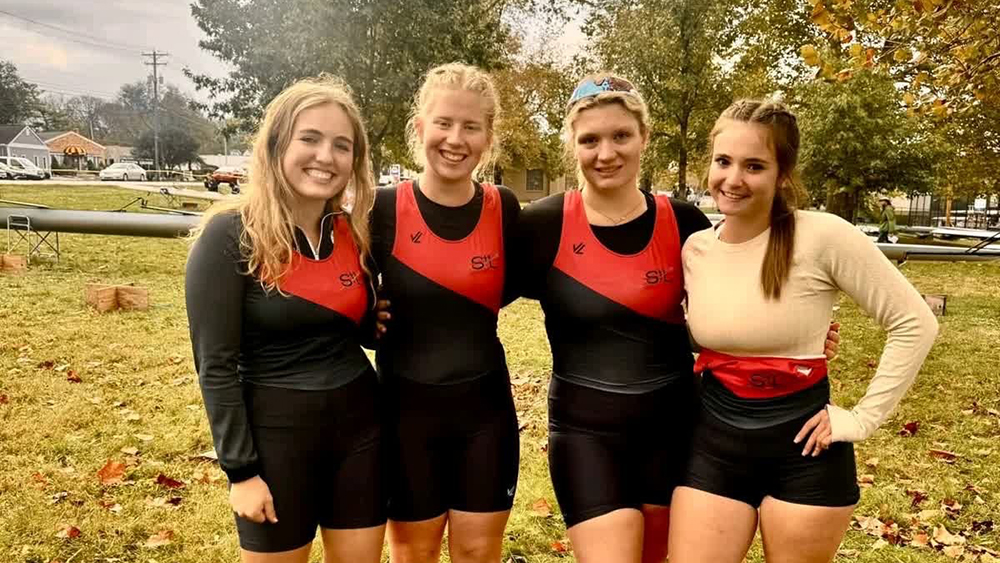
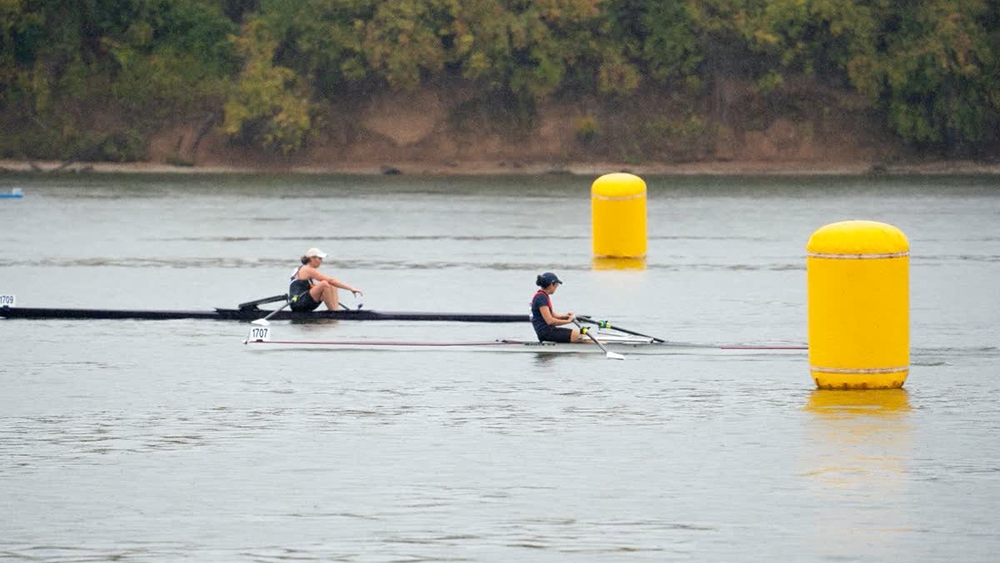
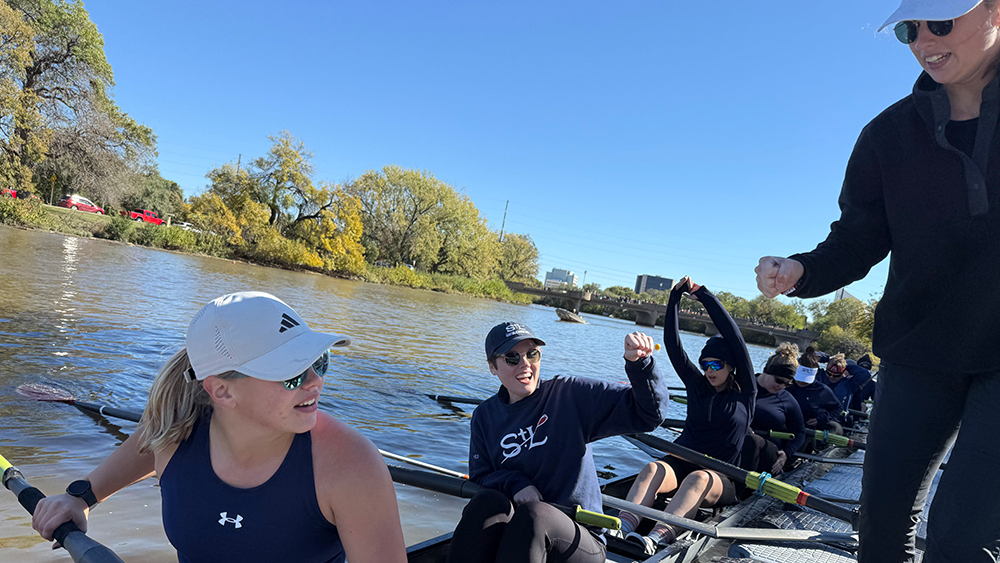
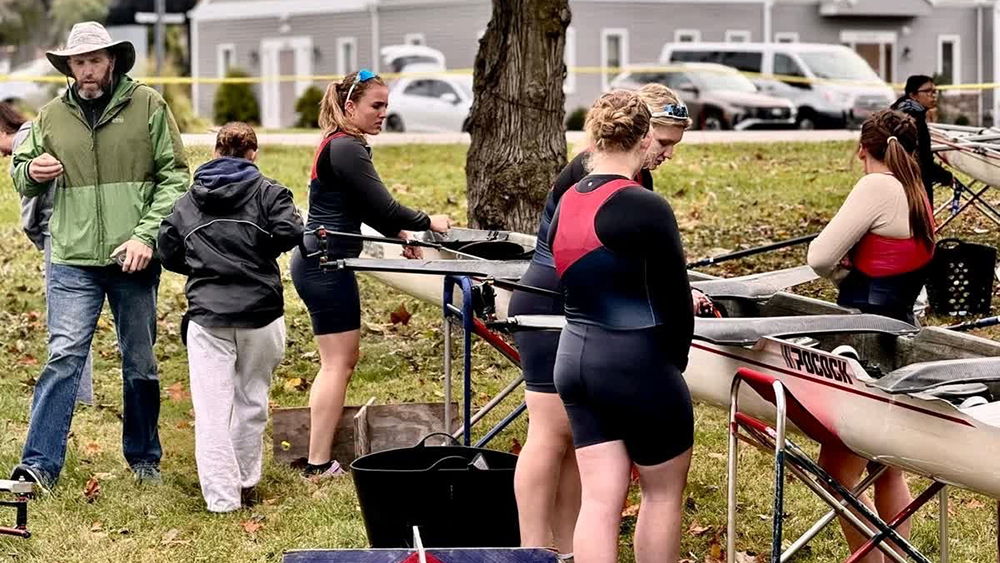
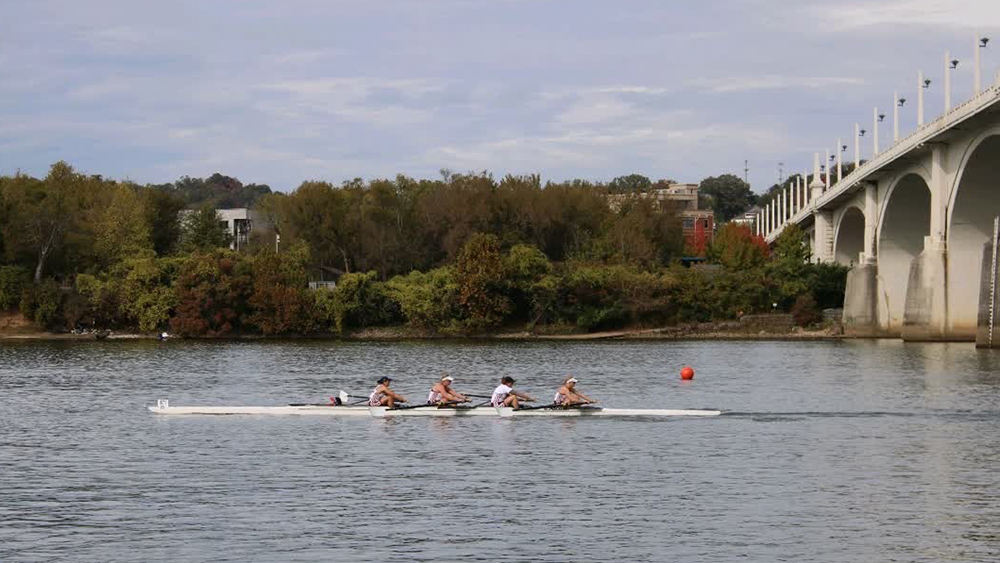
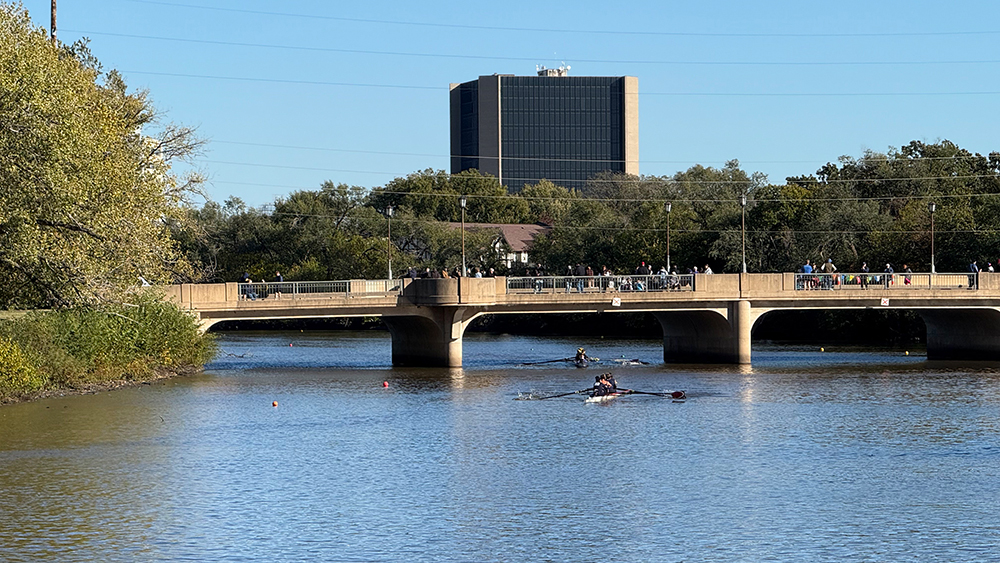
Last month the Adult Masters and Juniors participated in the Blake Haxton, Frostbite and Head of the Hooch Regattas. A successful end to the racing season!
Juniors - Blake Haxton
Women’s 2 Varsity 4+ = 1st Place
Women’s 5 Varsity 4+ = 1st Place
Women’s 4 Varsity 8+ = 1st Place
Women’s 1 Varsity 4+ = 2nd Place
Women’s 3 Varsity 4+ = 2nd Place
Women’s 1 Varsity 8+ = 2nd Place
Women’s 2 Novice 4+ = 2nd Place
Women’s 3 Varsity 8+ = 2nd Place
Women’s 4 Varsity 8+ = 2nd Place
Women’s 2 Varsity 8+ = 3rd Place
Men’s 1 Varsity 8+ = 2nd Place
Men’s 1 Varsity 4+ = 2nd Place
Men’s 2 Varsity 4+ = 2nd Place
Men’s 3 Varsity 4+ = 2nd Place
Men’s 5 Varsity 4+ = 2nd Place
Men’s 3 Varsity 8+ = 3rd Place
Men’s 4 Varsity 4+ = 3rd Place
Adult Masters - Head of the Hooch
Women’s Masters 8+ (U50) = 2nd Place
Women’s Masters 1x = 3rd Place
Men’s Masters 4+ (U50) = 1st Place
Men’s Masters 1x =2nd Place
Men’s Masters 8+ (U50) = 3rd Place
Mixed Masters 4+ (U50) = 3rd Place
Adult Masters - Frostbite Regatta
Women’s Masters 4+ = 1st Place
Women’s Open Novice 4+ = 2nd Place
Mixed Open 4+ = 2nd Place

Training Tips
This month, it’s all about the breathing. For something you rarely think about, the impact on performance can be dramatic.
How Smart Breathing Can Boost Your Rowing Performance
by Rob Rosenwinkel
If you’ve ever felt like your lungs were giving out long before your legs during a hard piece — you’re not alone. In fact, research shows that for rowers, breathing isn’t something that just “happens in the background” — it can make or break your performance.
This insight comes from a detailed analysis by Professor Alison McConnell; it digs deep into why breathing matters so much in rowing, and how training your breathing muscles can boost power, control, and endurance.
Why Breathing Is a Bigger Deal Than We Might’ve Thought
For a long time, exercise science taught that breathing doesn’t limit performance, because oxygen transfer in the lungs wasn’t seen as the bottleneck. But rowers — especially those pushing hard in races or intense pieces — know that feeling all too well: the gasping, the struggle to keep the rhythm, that sensation of “I can’t get enough air in” halfway through.
It turns out, the breathing muscles — your diaphragm, intercostals, abdominals — are real muscles just like your legs. During maximal exertion, they can claim up to 16% of your total oxygen supply. They work incredibly hard, and when they fatigue — your performance suffers in multiple ways.
Rowing + Breathing: A Unique Challenge
Rowing isn’t like running, biking, or swimming. It’s a high-demand combination that presents unique breathing challenges:
Sync Your Breath with the Stroke
Experienced rowers often fall into:
- 1:1 — one breath per stroke
- 2:1 — one breath over the drive, one over the recovery
When that rhythm is lost — the stroke often unravels.
Breathing Muscles Aren’t Just About Air — They Brace You
Your diaphragm doesn’t just draw air in — it helps stabilize your trunk and create intra-abdominal pressure. That pressure stabilizes your spine and allows you to transfer the huge force from the foot stretcher (sometimes as much as 900 N!) into the handle.
If your breathing gets sloppy — or you’re “empty” at the catch — you lose that brace:
- Some of your leg drive is wasted.
- Force transfer becomes less efficient.
- Risk of injury (think ribs or back) increases.
Rowing Position Restricts Breathing — Physically
At the catch: your thighs compress your abdomen, limiting your diaphragm’s ability to move.
At the finish: you’re leaning backward, working hard.
Few other endurance sports place such awkward mechanical demands on breathing.
What Happens When Your Breathing Muscles Fatigue
This is where the real crank-down begins.
Breathing Gets Harder … and So Does the Entire Row
When your inspiratory muscles fatigue, your brain has to drive them harder. The result: your brain says — “Hey, this feels hard. Maybe we should pace down.”
Stronger breathing muscles = lower perceived effort = ability to sustain pace longer.
Your Legs Could Start Losing Power — Because Your Lungs Need Blood
Yes — it’s a weird but true reflex: when respiratory muscles start struggling, the body may redirect blood flow away from your legs to keep the breathing muscles going.
Meaning:
- Your leg muscles starve.
- Leg fatigue sets in sooner.
- Split times slip.
This is known as the respiratory metaboreflex — a real limiter for rowers when the intensity gets high.
The Good News: You Can Train Your Breathing Muscles
Just like you train your legs for power or your core for stability, you can train your inspiratory muscles using resistance-based breathing devices.
Research shows this training can:
- Cut down inspiratory muscle fatigue during rowing
- Lower your perceived exertion
- Help you maintain a steady breathing–stroke rhythm longer
- Delay or prevent the blood-stealing reflex
- Ultimately — improve 2 k performance
It’s essentially like strength training for your lungs and breathing system.
Practical Takeaways for Rowers
Here are the most actionable, rower-friendly lessons from this research:
1. Practice an Intentional Breathing Strategy
Don’t leave breathing to chance. Work out a rhythm (1:1 or 2:1) that ensures:
- You arrive at the catch with enough “air buffer” to brace.
- Your breathing stays calm and consistent throughout.
2. Keep Breathing Under Pressure — Especially at the End of a Piece
When pain builds and breathing wants to go haywire, fight for control.
A consistent rhythm helps:
- Maintain trunk stability
- Keep blood flowing to legs
- Preserve efficient force transfer
3. Consider Inspiratory Muscle Training (IMT)
Just a few minutes a day, using a resistance breathing tool, can:
- Reduce leg fatigue
- Make hard efforts feel more sustainable
- Help you keep form and power under pressure
- Add watts without adding strokes
In Short: Better Breathing = Better Rowing
Breathing in rowing isn’t passive. It’s an active performance variable — and one you can train and control.
Better breathing can bring:
- Smoother splits
- Stronger posture and form
- Reduced injury risk
- The ability to push harder and longer before hitting “the wall”
So don’t just breathe. Breathe like a rower.
If you want to dig deeper, you can check out the full article by Professor Alison McConnell here.
WE WANT YOUR VIDEOS AND PICS
We’re always looking for fresh content for the websites and socials, so if you’ve taken videos or pics at practices or regattas please share them with us. You can just click the email below and let ‘er rip. If you’ve got a video that’s too big to email, no problem, just let us know in an email that you’ve got an epic film to share with us and we’ll get you an upload link.
Thanks and can’t wait to see what you’ve got!!
Meet Our Members
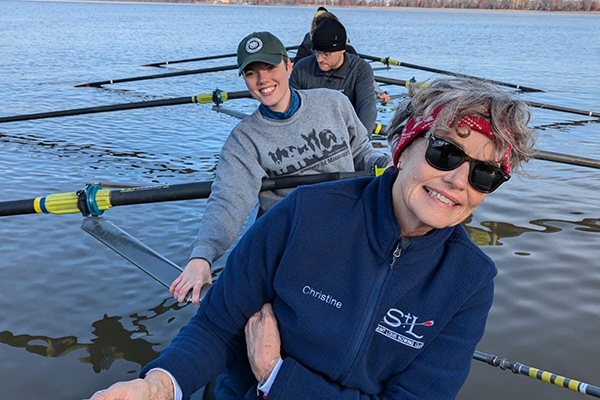
Christine DeBold
Adult Rower (since 2023)
What do you love about rowing?
The first thought I had was: Everything!
How did you get into rowing?
My son, daughter in law & first granddaughter were moving back to St.Louis from the state of Washington. They both enjoyed rowing there. Lisa asked me where there was a rowing club in the area. A what? I don’t think we have one of those 😳 Lisa then sent me the SLRC video and invited me to join her in taking the Learn to Row sessions. I had just retired and thought why not? I enjoy being on the water. I fell in love with the sport and now can’t imagine life without rowing.
What has been your favorite rowing experience/memory?
Rowing out of the cove and onto the lake in early morning , the sound of the oars clunking in the locks together, feeling the boat moving through the water, the quiet before we start our workout or watching beautiful sunsets and the rising moon or fish jumping out of the water. No matter how exhausted or painful the workout there is all this beauty around us. And when the rowing is smooth and the boat stable and swift, we are all connected as a crew , it is just so rewarding.
What is your favorite regatta and why?
Chicago Sprints 2024. It was my first Regatta. I was a Novice. And we won the Silver Medal with the Gold Medal going to the other SLRC 2024 Novice crew. Practicing for the Regatta, Coach Charlie, in training us for the starts, always called out Attention! St. Louis, St. Louis, Row! Believing we would win Gold & Silver and we did it!!! It was thrilling! I was so proud of all of us.
What do you like to do when you’re not rowing?
Spending time with all our family! Girls Day, City Soccer, SLAM, and just going around town seeing & doing things that we haven’t done for years.
Julian Kozlowski
Adult Rower (since 1988)
What do you love about rowing?
I love the feeling of gliding quickly over the water and the rush of speed as the boat cuts through it. Being outdoors and in close contact with nature offers a refreshing mental break from the office. Rowing clears my mind and reconnects me with the rhythm of movement and the environment.
How did you get into rowing?
Rowing has always been a part of my family. My parents took me out on the water from the time I was a baby, and as a child I used to cox the 4+ and 8+ for my father’s team. In fact, it all goes back to my grandfather, who first introduced rowing to our family many years ago. It’s a tradition that’s been passed down through generations.
What has been your favorite rowing experience/memory?
Rowing as a Junior was one of my favorite experiences. Traveling to regattas across the country and internationally was incredibly rewarding and formative. It taught me discipline, independence, and how to navigate challenges at a young age—all while being part of a team and doing something I loved.
What is your favorite regatta and why?
That’s a tough question, but one of my favorites was the World Maccabiah Games in Israel in 2005. It was a unique experience—not just for the racing, but also for the cultural and personal connections. Competing on an international stage while representing my heritage made it especially meaningful.
What do you like to do when you’re not rowing?
Winters in St. Louis can be tough, so I spend time on the erg in my basement, staying in shape and counting down the days until spring. Outside of rowing, I enjoy being active, spending time with family, and getting outdoors whenever I can.